

New wheel guides
Daily Tarot Card Journaling: A Five-Minute Practice
Use your daily tarot card with short journal prompts, Temperance and Five of Cups examples, and an evening reflection you can return to.
Read the guideRead the guide: A Daily Tarot Card Practice That Takes Five Minutes →
Draw your daily tarot card from the full 78-card deck. See the card, read its meaning and reflection prompt, and send your daily reading to a friend.
All 78 cards below are available to be selected. This reading draws one card. Open a card’s name to read its theme and reflection question.
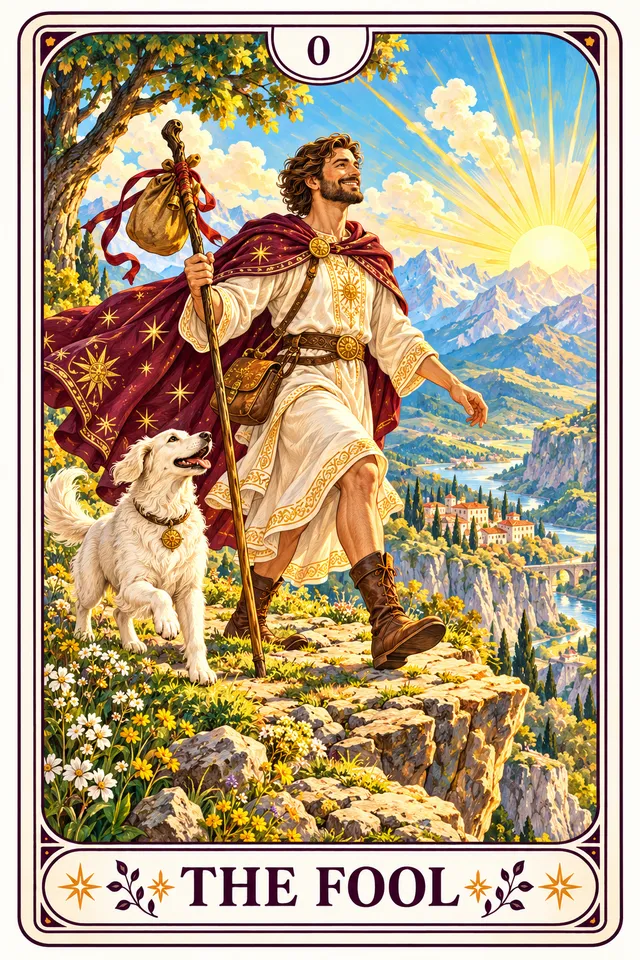 A fresh start
Where could you try something new without pretending you already know everything?
 Use what you have
Which skill or resource is already available, and what could you make with it today?
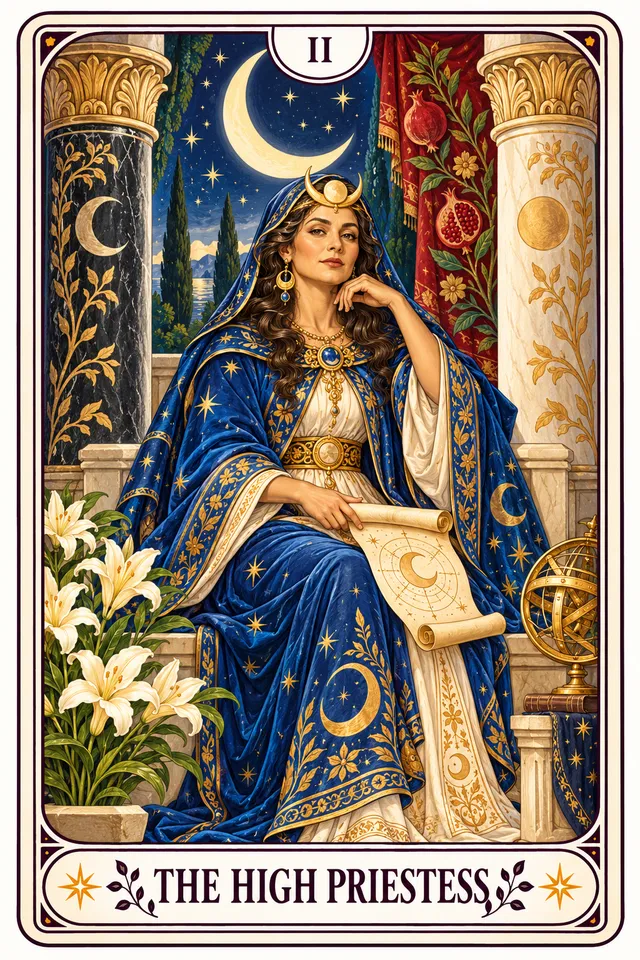 Listen inward
What have you noticed quietly, and what facts would help you understand it?
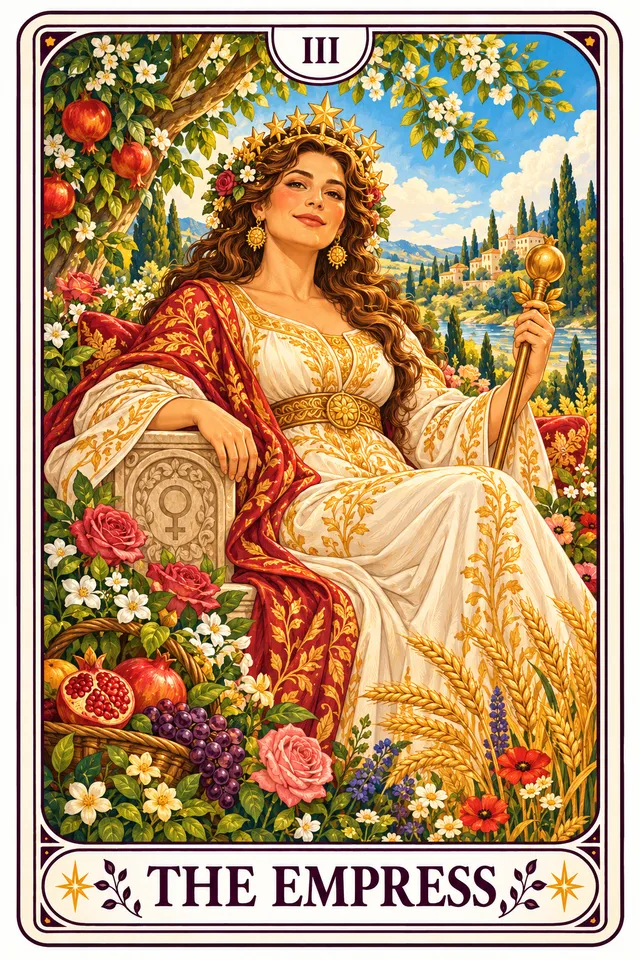 Make room for care
What needs practical attention, nourishment or a little creative space?
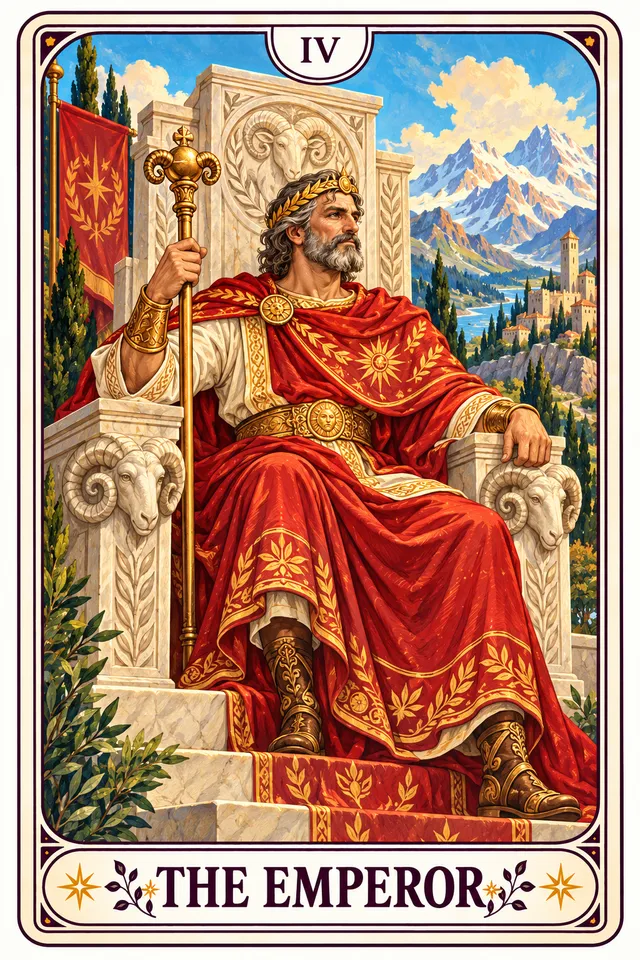 Build some structure
Which boundary or simple routine would make the day easier?
 Question the usual way
Which tradition helps you, and which rule deserves another look?
 Choose with your values
What choice fits what matters to you, and who needs a say in it?
 Pick a direction
What is the next step you can steer instead of trying to control everything?
 Gentle persistence
Where would patience accomplish more than pushing harder?
 Find a quiet moment
What becomes clearer when you take a break from everybody else's opinions?
 Changing circumstances
What can you adapt as circumstances shift, and what remains within your control?
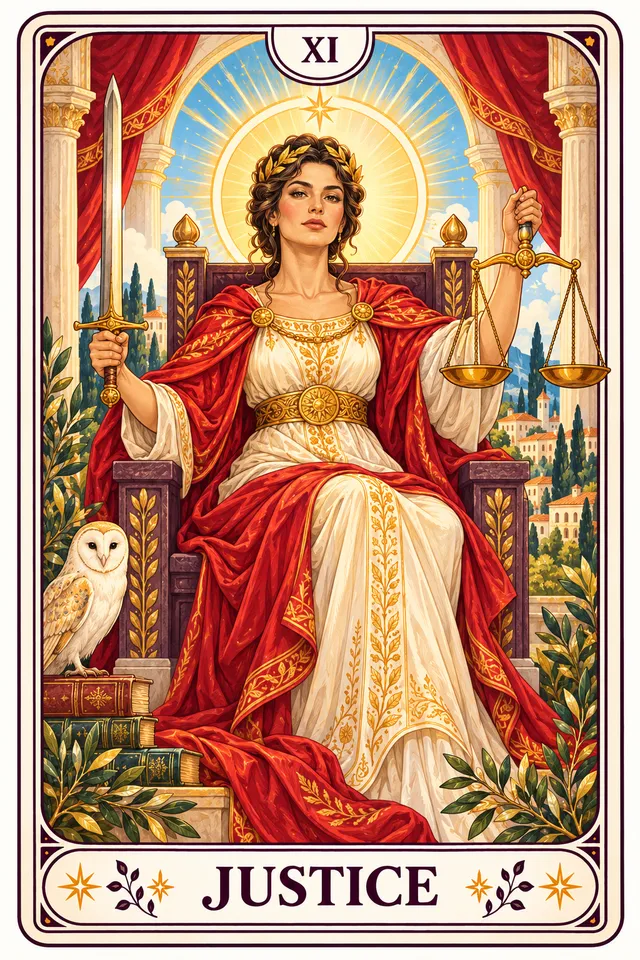 Look at the evidence
What would a fair decision look like for everyone involved?
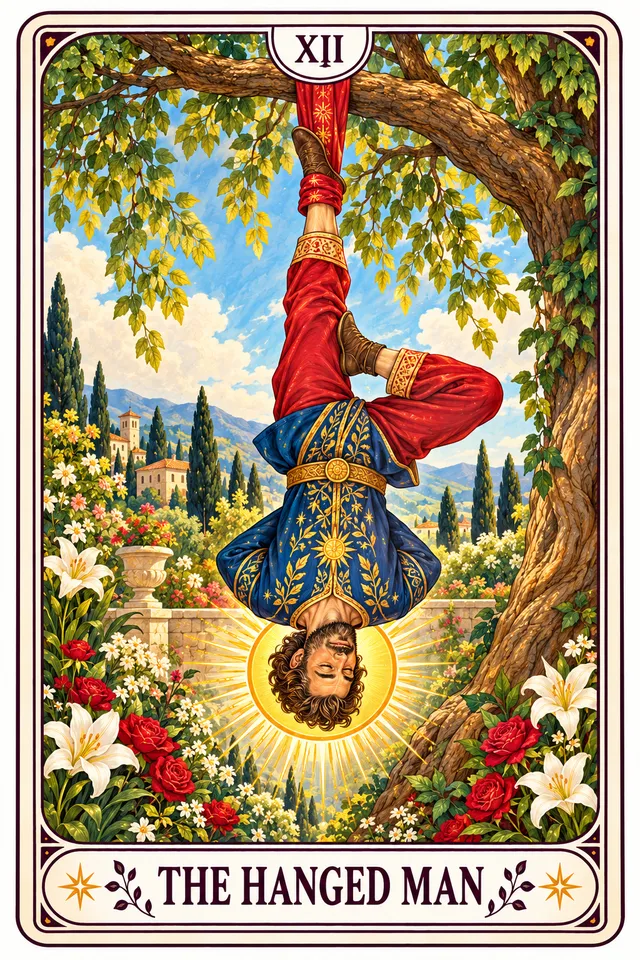 Try another angle
What might you see differently if you paused before acting?
 An ending makes space
Which habit or unfinished chapter are you ready to let go of? This card is symbolic, not a prediction of physical death.
 Find a workable balance
Which two needs could you meet with a modest compromise?
 Notice what has a hold
Which habit feels automatic, and what small boundary could help you reclaim a choice?
 Reconsider shaky foundations
Which assumption deserves checking before you build more plans on it?
 Leave room for hope
What small, realistic action would help you feel more hopeful?
 Sit with uncertainty
What is known, what is a guess, and what could you check before deciding?
 Enjoy what is working
What can you appreciate openly without turning it into another task?
 Take an honest look
What have you learned that could change your next choice?
 Recognize completion
What deserves to be finished, celebrated or handed over?
 A spark worth trying
Which idea could you test today before worrying about whether it will work?
 Make a plan
What would you need to know before taking the next step beyond familiar ground?
 Look beyond the first step
What have you already set in motion, and how could you prepare for its next stage?
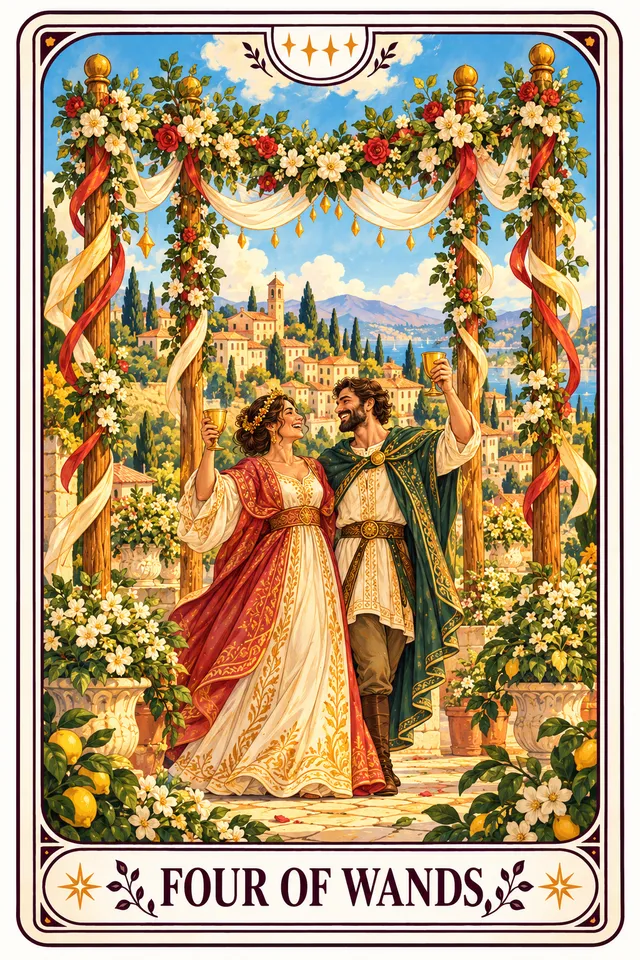 Mark a milestone
Who helped you get this far, and how could you celebrate together?
 Make disagreement useful
Are you working toward the same goal, or arguing without agreeing what matters?
 Accept recognition
What progress can you acknowledge without making somebody else feel smaller?
 Stand by what matters
Which boundary is worth defending, and which disagreement can you leave alone?
 Respond to momentum
What needs a prompt answer, and what deserves a pause even when everything speeds up?
 Protect your remaining energy
What would help you keep going without ignoring your need for recovery?
 Put down a burden
Which task can you delegate, simplify or stop treating as yours?
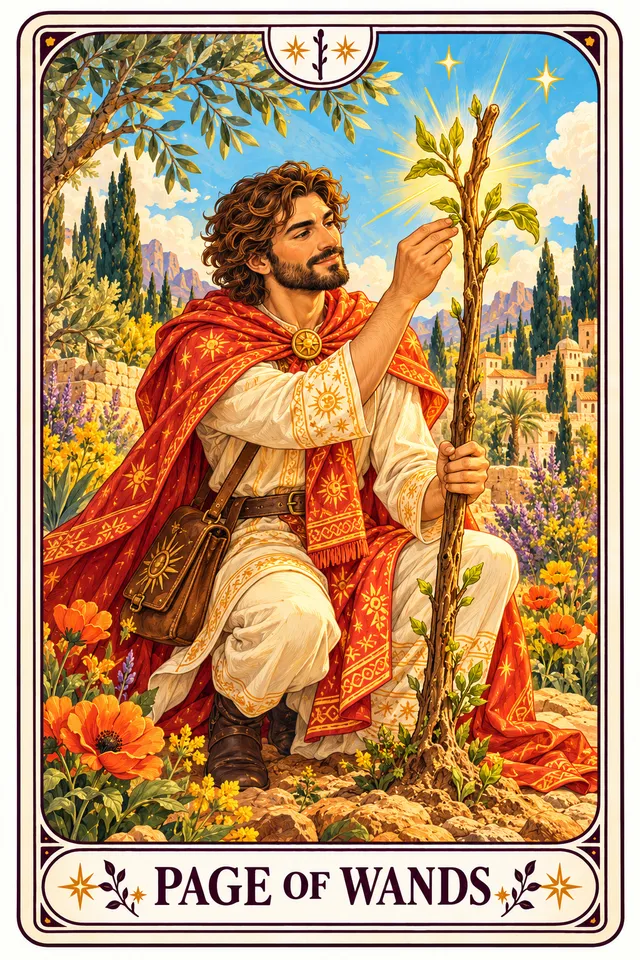 Follow your curiosity
What could you explore simply because it interests you, without promising a finished result?
 Give enthusiasm a route
Where could you act decisively while checking that excitement has not replaced preparation?
 Trust your presence
What would you do differently if you did not need everyone to approve first?
 Lead with a clear vision
How can you make the direction clear while leaving others room to contribute?
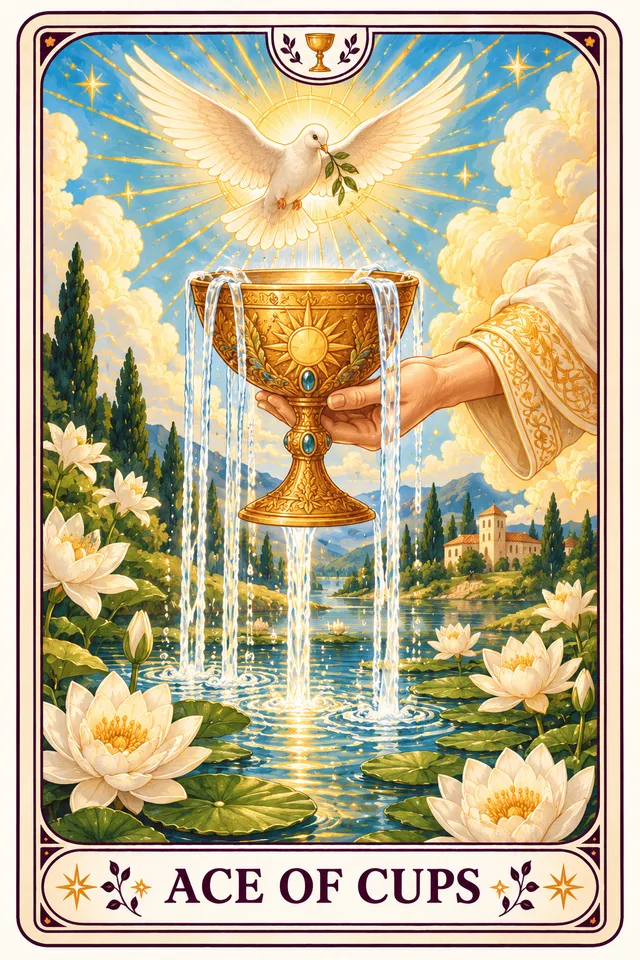 Make room to feel
What feeling could you welcome without needing to explain it away?
 Meet in the middle
What would an honest exchange look like if each person had equal room to speak?
 Lean on your people
Who makes you feel more like yourself, and could you make time for them?
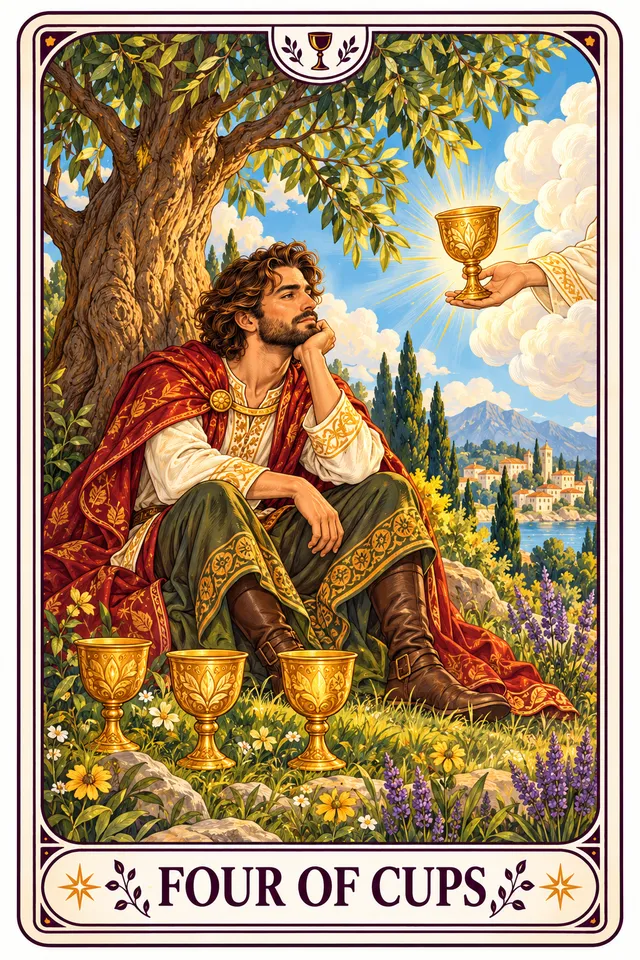 Notice what you are overlooking
Do you need a genuine pause, or has withdrawal started to hide something worth considering?
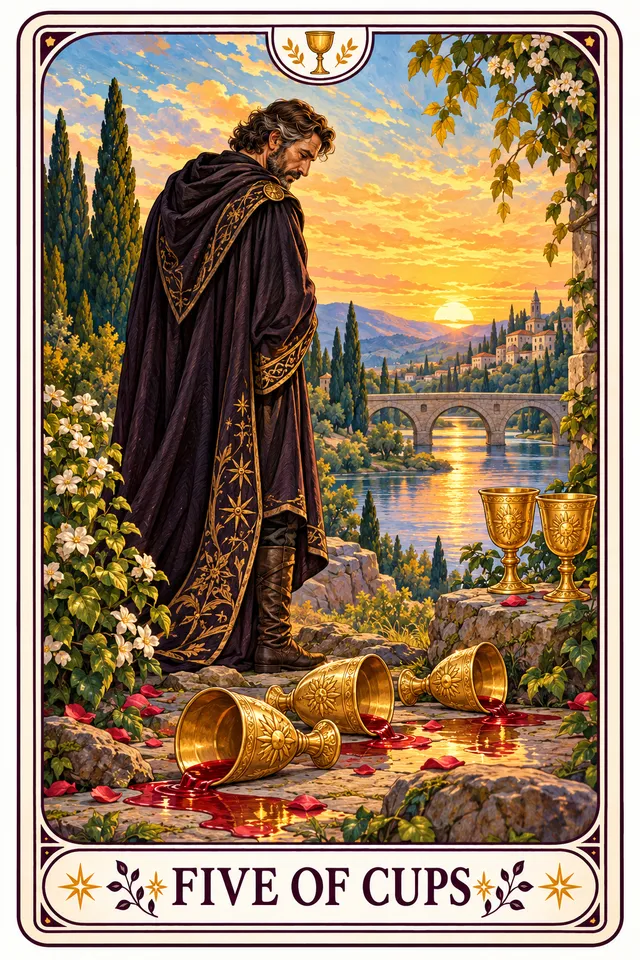 Allow grief and perspective
What has been lost, and what support is still available beside that loss?
 Revisit a familiar feeling
Which part of the past could comfort you, and which part belongs in the past?
 Choose among possibilities
Which option holds up when you ask what it would require in everyday life?
 Leave what no longer fits
What are you staying with out of habit, and what would a thoughtful departure require?
 Enjoy enough
What wish has partly come true, and can you appreciate it without immediately raising the bar?
 Build shared wellbeing
What would make home or your closest relationships feel more supportive in practice?
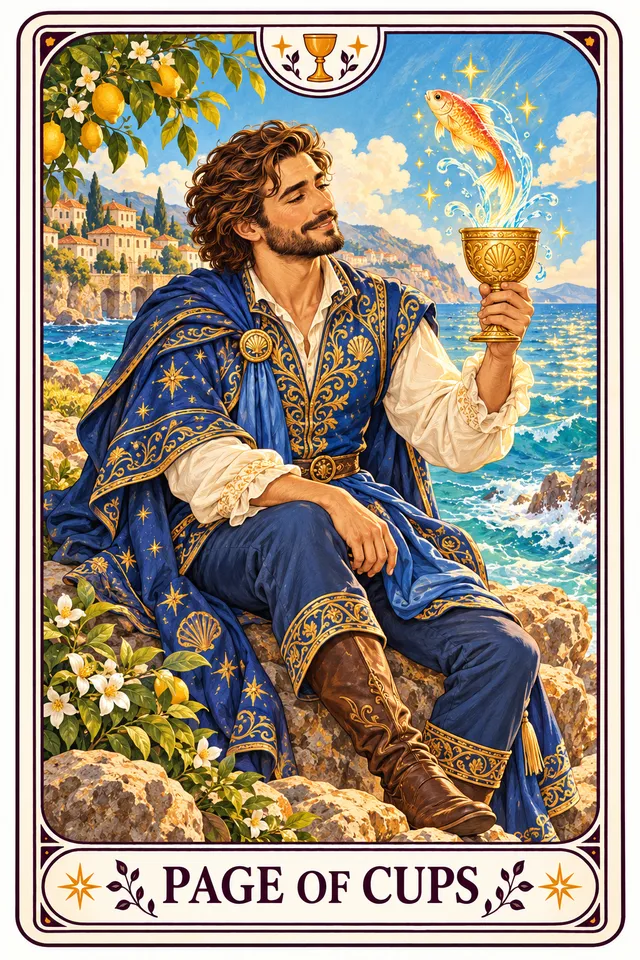 Listen to a tender idea
What could you express gently, even if the words are not polished yet?
 Match feeling with action
How could you express what you feel while respecting the other person’s reality?
 Care with boundaries
Can you offer care without taking responsibility for every feeling in the room?
 Stay steady with emotion
What would a calm, compassionate response look like without denying how you feel?
 Find the clear question
What fact or direct question would make this situation easier to understand?
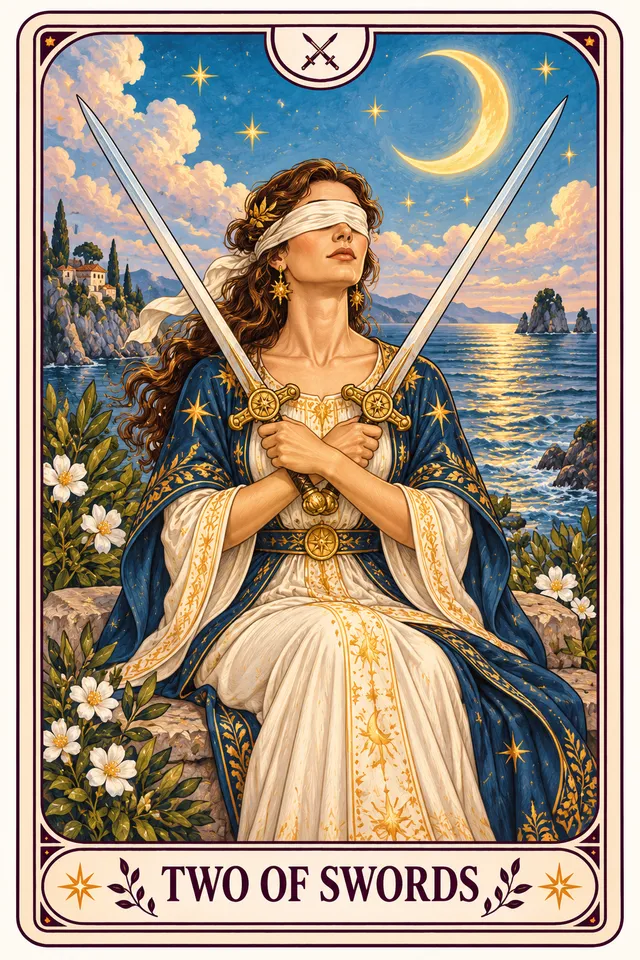 Face a difficult choice
Which missing information would actually help, and which uncertainty will you have to accept?
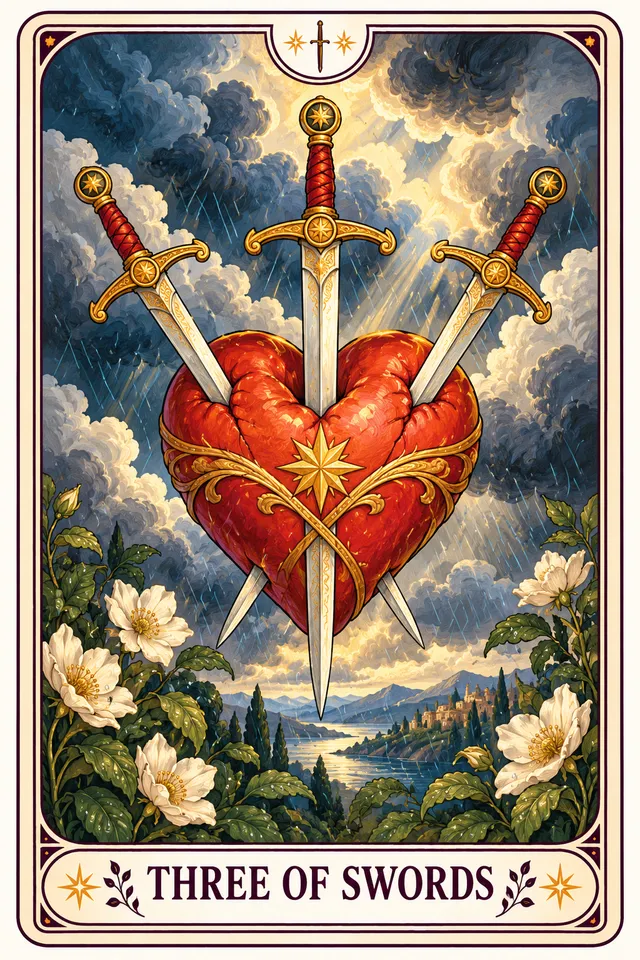 Name what hurts
What is painful here, and who could hear it without rushing you toward a solution?
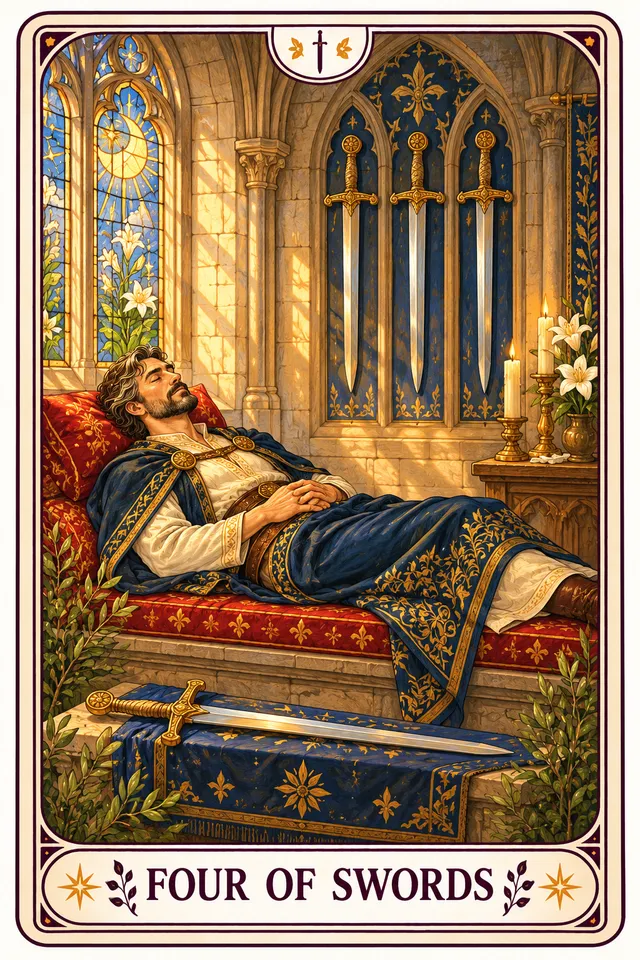 Give your mind a rest
What can wait while you take a real break from thinking about it?
 Consider the cost of winning
Would getting the last word bring the outcome you actually want?
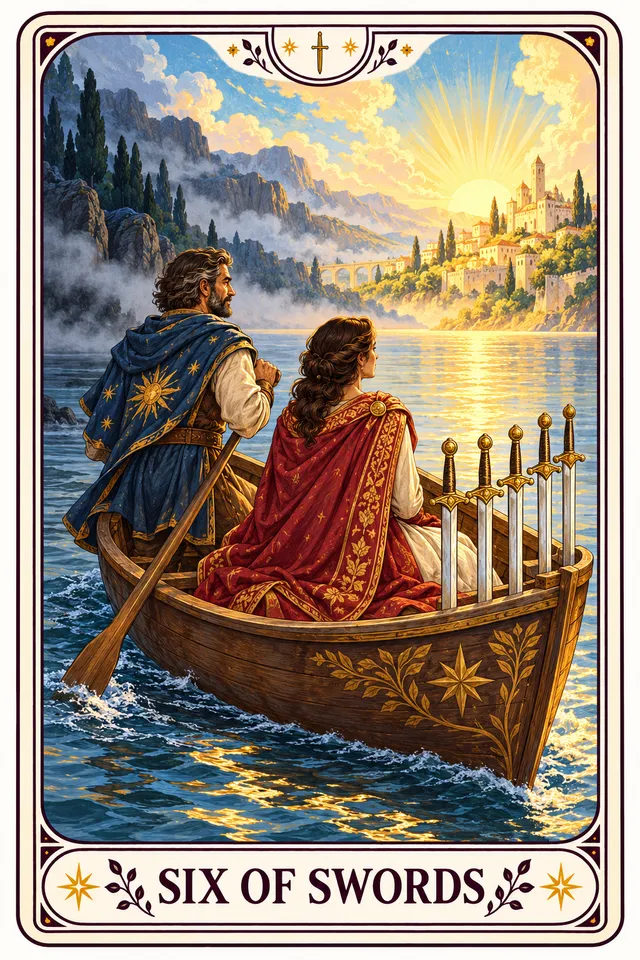 Move toward calmer ground
What small practical step would make the move toward greater steadiness possible?
 Check the strategy
Where would being more direct help, and what information is it reasonable to keep private?
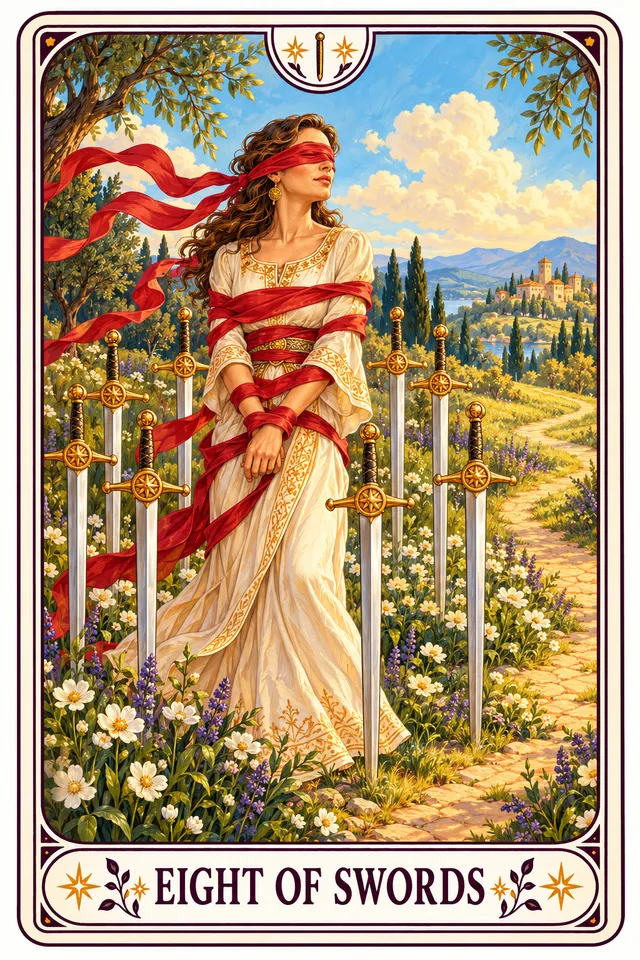 Question the apparent limit
Which obstacle is a fact, which is an assumption, and where could you ask for help?
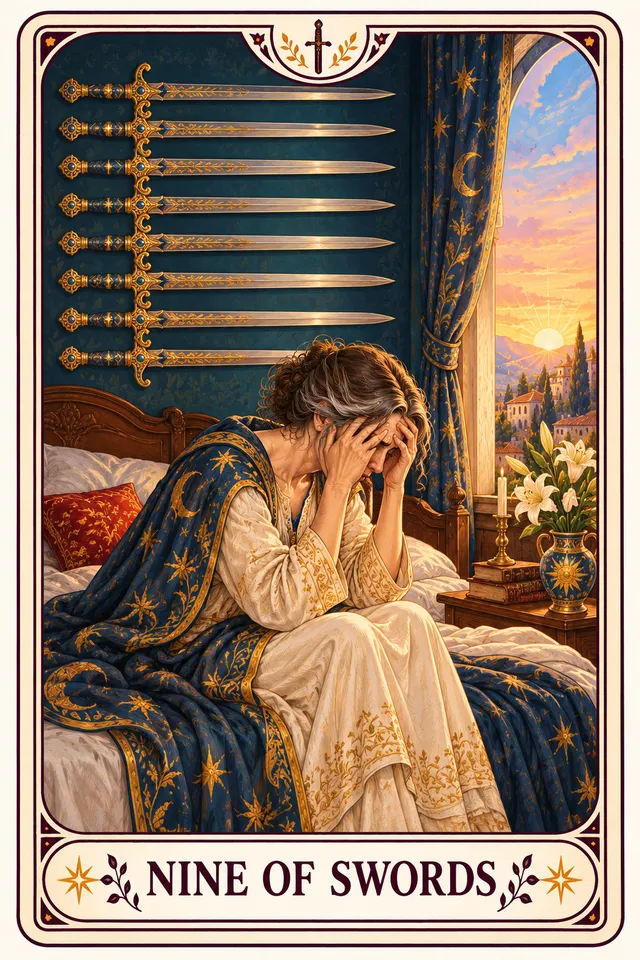 Separate worry from evidence
What do you know for certain, and what is your worried mind adding to the story?
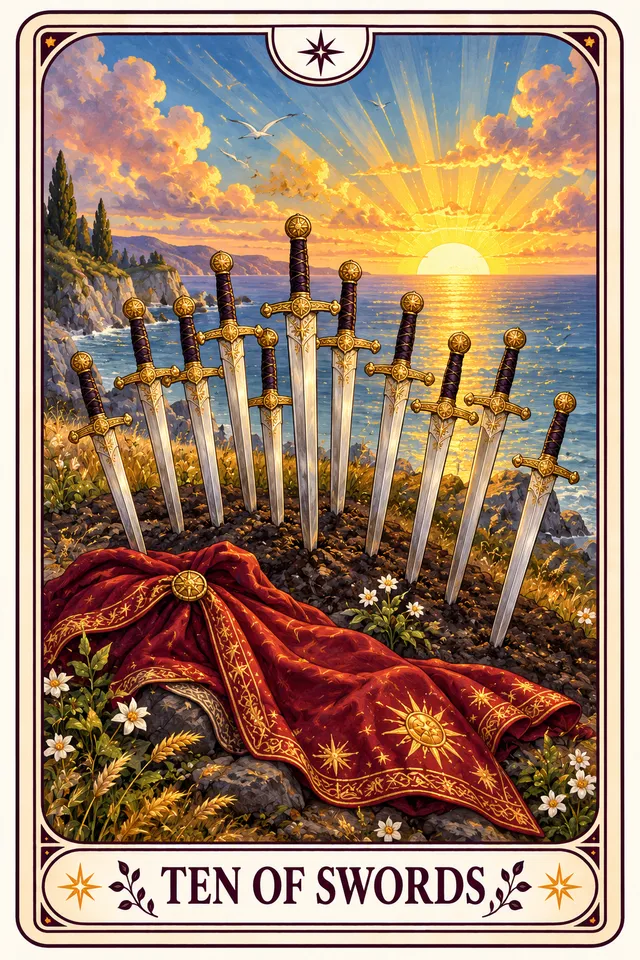 Let a difficult chapter end
What would accepting that something has ended allow you to protect or rebuild?
 Ask before assuming
Which question could replace a quick conclusion or an untested suspicion?
 Slow the argument down
Is the urgency real, and how could you be clear without charging past someone else’s needs?
 Be clear and fair
What needs to be said plainly, and how can you say it without unnecessary sharpness?
 Use sound judgement
What standard would you apply consistently if you had to explain this decision to everyone involved?
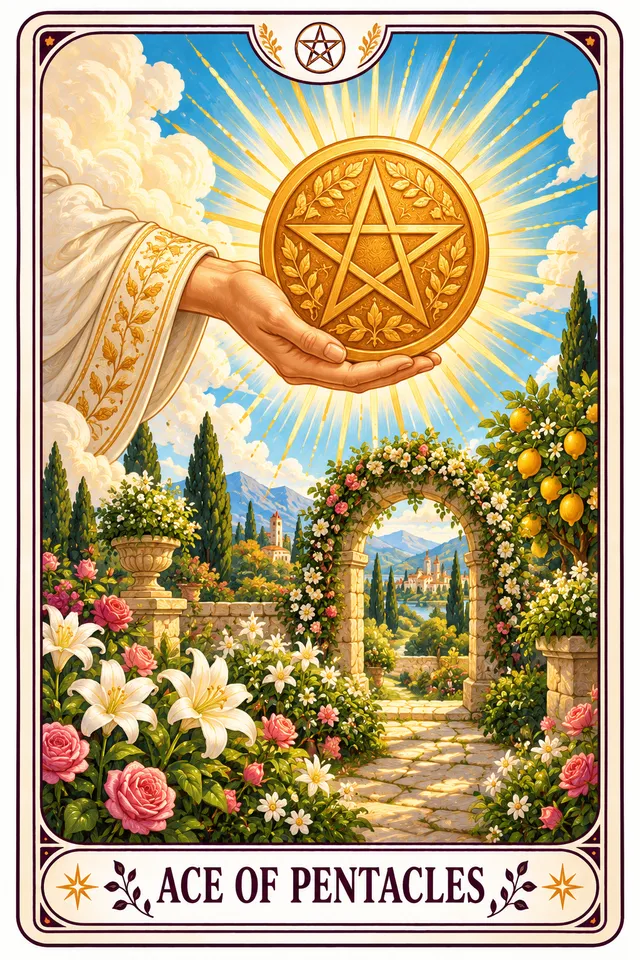 Plant something practical
What modest investment of time or effort could make this opportunity real?
 Adjust the balance
What can you rearrange before trying to add another responsibility?
 Bring the right skills together
Whose skill is missing from this task, and how could you work together more clearly?
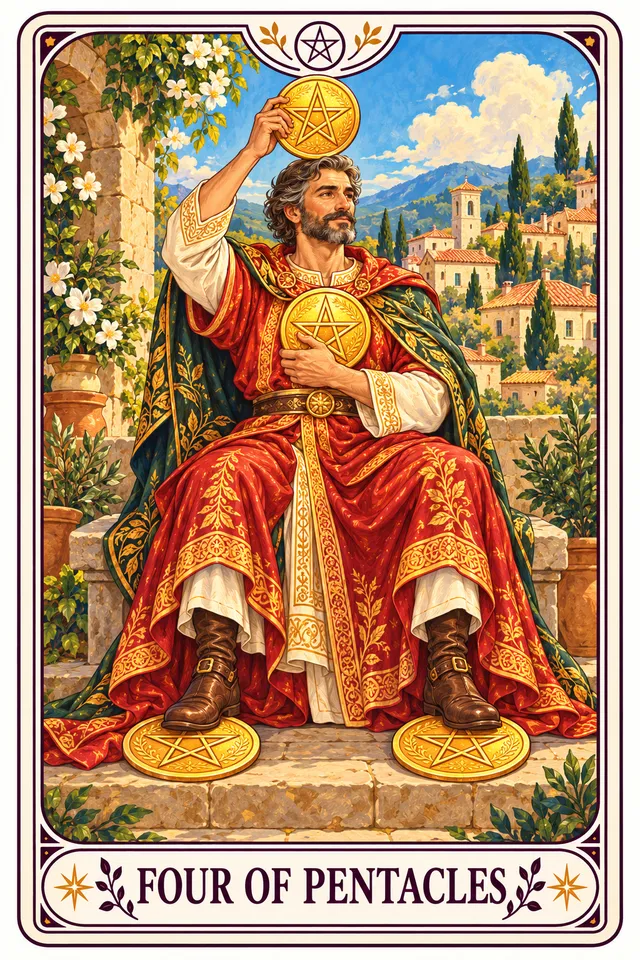 Loosen your grip thoughtfully
What is worth safeguarding, and where has caution become an obstacle to a useful exchange?
 Look for available support
What help is available, and what would make it easier to ask for it?
 Make the exchange fair
What would a fair exchange look like for the person giving and the person receiving?
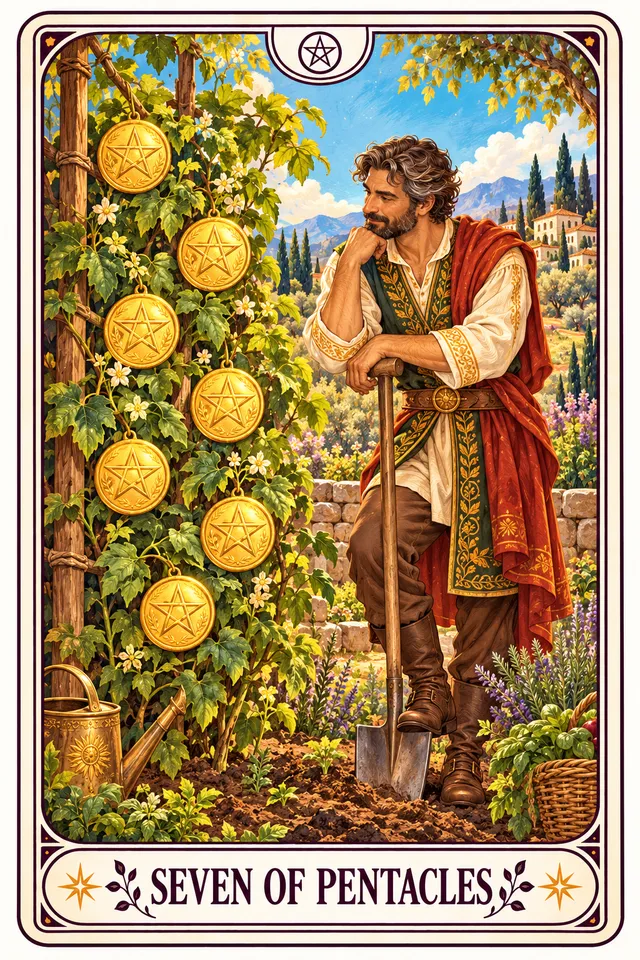 Review what is growing
Which part of your effort is developing, and what might need a different approach?
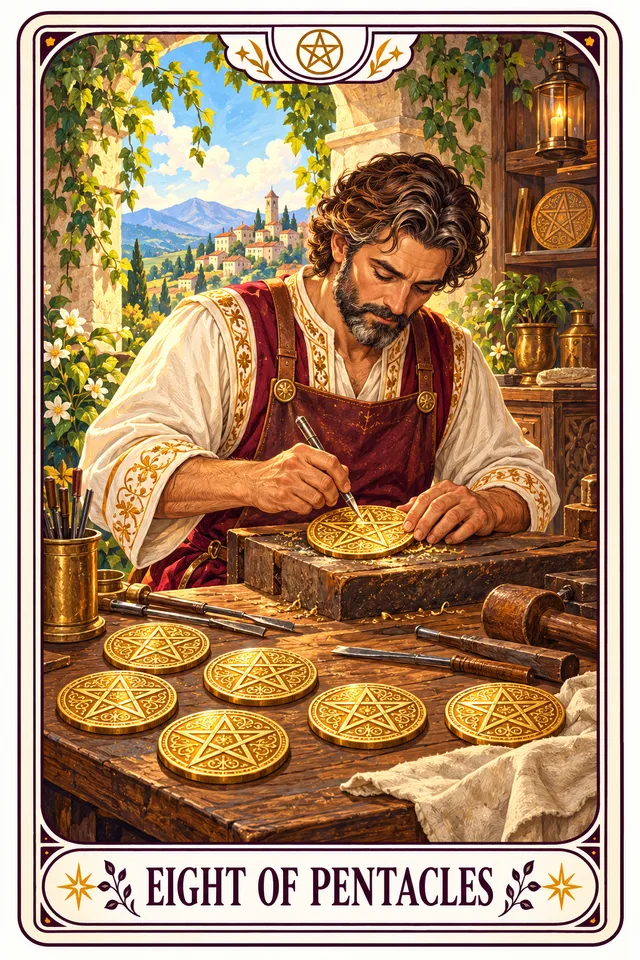 Practise the craft
Which small part of the task could you improve by practising it carefully?
 Value your own effort
What have your choices made possible, and how can you enjoy it responsibly?
 Think beyond today
What are you building that could support others as well as yourself?
 Become a practical beginner
What is one concrete thing you could learn or practise this week?
 Keep a workable pace
Which routine would help you make progress without relying on a burst of motivation?
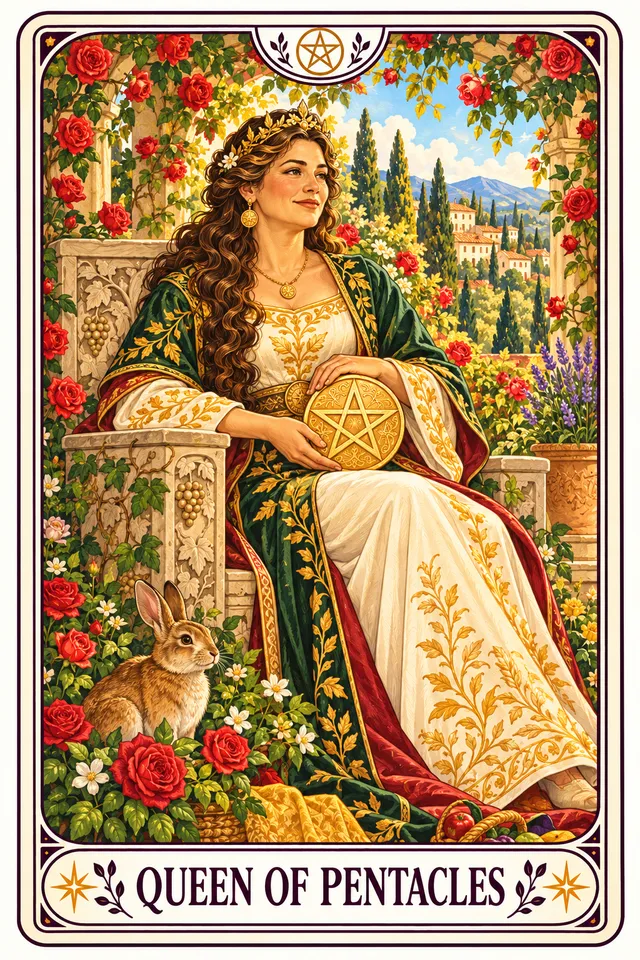 Care for everyday needs
What ordinary need would benefit from attention before you take on something bigger?
 Steward what you have
How could you manage your resources in a way that supports both stability and generosity?
A daily tarot draw works best when you give the card a small job. “What could I approach more thoughtfully today?” leaves room for an ordinary answer: listen before replying, finish something carefully, or ask for help before the afternoon gets away from you.
Draw first, read the upright meaning, then put it beside the day you actually have planned. You do not need to turn every meeting, delay or text message into a sign. This reading offers a theme for reflection and entertainment; it cannot establish what will happen.
Start with a question you can revisit tonight. “What deserves a little more care today?” is easier to work with than “Will everything go my way?” If you add a personal focus in the question field, keep it in mind as you read; typing a question does not give the wheel access to facts about your life.
Suppose you draw the Eight of Pentacles before a day of errands and an evening pottery class. Its practice-and-craft theme does not promise a masterpiece. You might decide to spend ten minutes repeating one technique instead of comparing your work with the best piece in the room.
That is a useful note even if the rest of the day has nothing to do with the card. Write what happened, including anything that did not fit, rather than stretching events to match the interpretation. The five-minute daily tarot practice gives you a simple journal routine.
Your draw is saved for this browser and your device’s local calendar date when browser storage is available. Returning later that day shows the same card; another browser or another person may receive a different one. Clearing the site’s stored data starts a new draw. If storage is blocked, the card stays stable only while the page remains open.
The deck contains 78 cards, including 22 Major Arcana and 56 Minor Arcana, and this tool reads them upright. A difficult-sounding card is not an instruction to cancel your plans. Read its reflection question, choose a proportionate response, and carry on with your day.
If your note turns into “Why do I keep returning to this?”, the past, present and future spread gives that pattern three separate positions. For a specific obstacle and the resources you can use, choose the five-card reading. You can also compare all four tarot formats before starting another reading.
A good next read
New wheel guides
Use your daily tarot card with short journal prompts, Temperance and Five of Cups examples, and an evening reflection you can return to.
Read the guideNew wheel guides
Compare daily tarot, past-present-future, love and five-card spreads. Choose a reading by its positions, your question and the detail you want.
Read the guide